


Σκιάθος, 1 Αυγούστου 2026
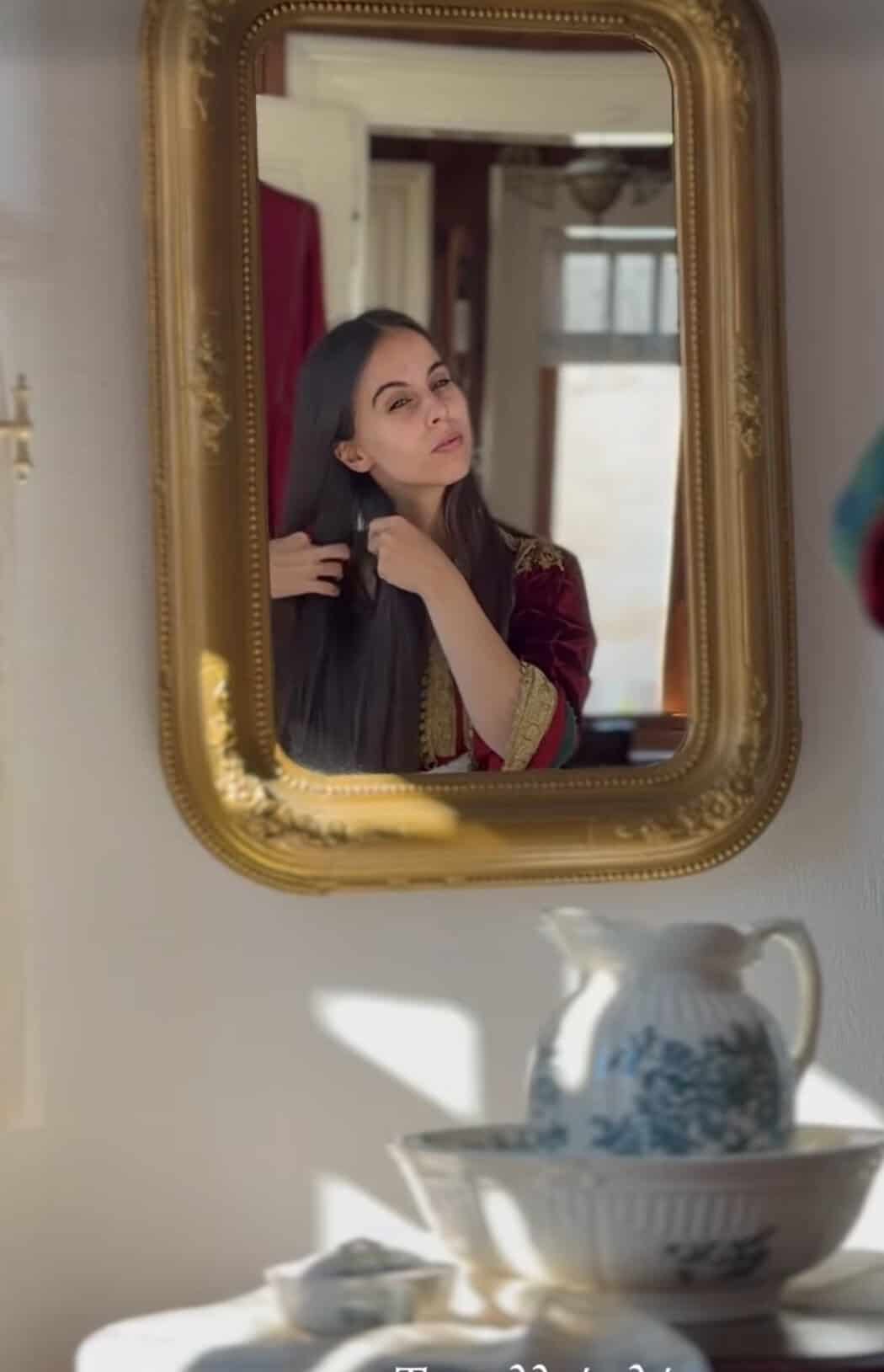
Πριν φορέσει το φόρεμα, φορούσε τον ρόλο της.
Κάθε πρωί.
Τα μαλλιά πλέκονταν με τάξη. Το μαντήλι έδενε σφιχτά. Η ποδιά φοριόταν σαν υπόσχεση. Τίποτα δεν ήταν τυχαίο. Γιατί τότε, η γυναίκα μιλούσε πριν ακόμη ανοίξει το στόμα της. Μιλούσε με την όψη της.
Η ένδυση δεν στόλιζε το σώμα. Το όριζε.
Έλεγε ποια είσαι. Από ποια οικογένεια προέρχεσαι. Αν είσαι κόρη, νύφη, μητέρα, χήρα. Έλεγε τι επιτρέπεται και τι όχι.
Κι όμως…
Μέσα σε αυτούς τους κανόνες, οι γυναίκες ύφαιναν ζωή. Με τα χέρια τους έντυναν οικογένειες, μεγάλωναν γενιές, κρατούσαν όρθια σπίτια που ακόμη αναπνέουν.
Στο αρχοντικό της οικογένειας Παπαδοπούλη δεν συναντάμε μόνο αντικείμενα.
Συναντάμε τις σιωπές τους.
Γιατί η ιστορία γράφεται από όσους άφησαν το όνομά τους. Αλλά ο πολιτισμός διασώζεται από εκείνες που έμειναν να κρατούν το σπίτι.
– Σ.Σ.
—
Skiathos, 1 August 2026
Before she put on the dress, she put on her role.
Every morning.
Her hair was braided with care. The headscarf was tied tightly. The apron was worn like a promise. Nothing was accidental. In those days, a woman spoke before she ever opened her mouth. She spoke through her appearance.
Dress did not adorn the body. It defined it.
It revealed who you were. Which family you belonged to. Whether you were a daughter, a bride, a mother, or a widow. It spoke of what was permitted—and what was not.
And yet…
Within these conventions, women wove life itself. With their hands, they clothed families, raised generations, and sustained homes that continue to breathe to this day.
In the Papadopouli family mansion, we encounter more than objects.
We encounter their silences.
For history is written by those who left their names behind. But culture endures because of the women who remained, keeping the home alive.
– S.S.
video by Marena Konstantinidi Manessi